
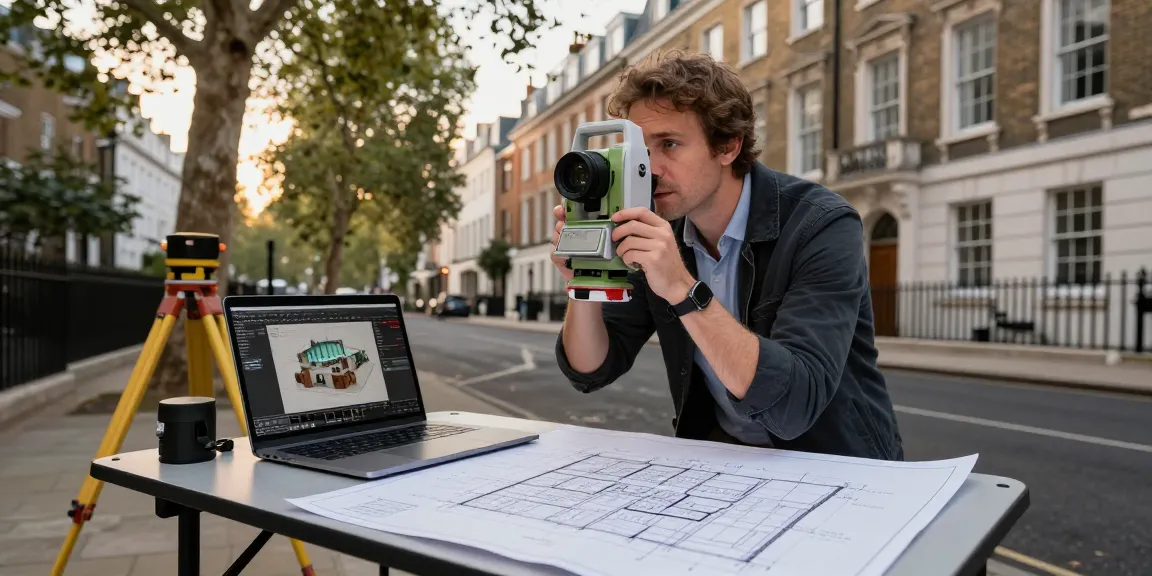
Understanding Measured Building Surveys in London
Measured building surveys are crucial for ensuring that every aspect of construction and renovation projects is based on precise data. In London, where architectural diversity and historical significance are prevalent, the need for accurate surveys is amplified. Our team at Measuredbuilding.com provides extensive measured building surveys london services that cater to a variety of building types, from residential homes to large commercial properties.
What Are Measured Building Surveys?
A measured building survey is a detailed process that captures the physical dimensions and characteristics of a building. This includes the creation of architectural floor plans, elevations, and sections that reflect the current state of the structure. Typically conducted using advanced technology such as laser scanning and photogrammetry, these surveys provide an accurate representation, which is essential for any subsequent development, renovation, or maintenance work.
The Importance of Accurate Measurements
Accurate measurements are vital for several reasons. Firstly, they form the foundation of architectural designs, ensuring that all modifications or constructions align with existing structures. Furthermore, inaccuracies can lead to costly errors during the construction phase, resulting in delays and financial setbacks. For this reason, engaging professional surveyors who understand the intricacies of building dimensions is essential to the success of any project.
Key Components of a Measured Building Survey
When conducting a measured building survey, several key elements are assessed:
- Floor Plans: Detailed representations of each level of the building, outlining rooms, walls, and features.
- Elevations: Vertical representations of the building’s exterior, showing heights and architectural details.
- Sections: Cross-sectional views that illustrate internal configurations and relationships between different levels.
- Site Analysis: Evaluation of the surrounding area, which can impact planning and development decisions.
Common Mistakes in Measured Building Surveys London
With over three decades of experience in the surveying industry, we have identified common pitfalls that can hinder the effectiveness of measured building surveys.
Neglecting Initial Site Assessments
One of the most significant errors in conducting a survey is the failure to perform a comprehensive site assessment before measurements begin. This oversight may lead to unforeseen obstacles during the surveying process, such as environmental factors or site conditions that could have been addressed upfront.
Inaccuracies in Data Collection Techniques
Using outdated or inappropriate methods for data collection can compromise the accuracy of the survey. Modern technology, including 3D laser scanning and GPS, should be employed to ensure every detail is captured with precision.
Underestimating Project Scope and Requirements
Another frequent mistake is underestimating the complexity of a project. Each building presents unique challenges, and surveyors must be prepared to adapt their strategies and methodologies to meet diverse needs. Failing to account for additional requirements can result in incomplete surveys.
Choosing the Right Measured Building Surveyor
Finding a qualified surveyor is imperative for ensuring accurate and reliable measured building surveys. Here are some tips to help you make an informed choice.
Key Qualifications to Look For
When selecting a surveyor, confirm they possess relevant qualifications, certifications, and memberships in professional organisations. These credentials indicate a commitment to industry standards and continuing education, ensuring a high level of expertise.
Evaluating Surveyor Experience and Portfolio
Reviewing a surveyor’s previous work can provide insight into their capabilities. Look for experience in similar projects and assess the quality of their portfolios to gauge their proficiency and style.
Understanding Surveyor Fees and Rates
Surveying fees can vary widely based on the complexity of the project and the surveyor’s experience. Always seek a detailed quote and understand what is included in the pricing to avoid unexpected costs later on.
Best Practices for Successful Measured Building Surveys
Implementing best practices can significantly enhance the effectiveness of measured building surveys. Here are some recommendations.
Utilising Advanced Surveying Technologies
Employing state-of-the-art technology, such as laser scanning and drone surveying, can improve accuracy and efficiency. These technologies allow for rapid data collection and provide high-resolution outputs that are invaluable for analysis and planning.
Maintaining Clear Communication with Stakeholders
Open communication is essential throughout the surveying process. Keeping stakeholders informed and involved helps identify potential issues early and ensures that everyone is aligned on project objectives.
Implementing Quality Control Measures
Quality assurance practices should be integrated into every stage of the surveying process. Regular checks and validations help maintain high standards and catch errors before they escalate into larger problems.
Future Trends in Measured Building Surveys for 2026
The field of measured building surveys is constantly evolving. Understanding future trends can position your project for success.
Incorporating Building Information Modelling (BIM)
BIM technology is revolutionising how building data is stored and used. Integrating BIM into measured building surveys can enhance collaboration, improve data accuracy, and streamline workflows across all phases of a project.
The Role of Sustainability in Survey Practices
As sustainability becomes a priority in construction, measured building surveys will increasingly focus on energy efficiency and environmental impact. This shift will necessitate new methodologies and considerations in data collection and analysis.
Adapting to New Technologies and Regulations
The surveying industry must stay agile in the face of changing technologies and regulatory demands. Embracing innovative tools and remaining compliant with new guidelines will be essential as the industry progresses.
What is a measured building survey?
A measured building survey captures the dimensions and details of a building, providing essential data for architects, engineers, and developers. It includes floor plans, elevations, and sections that represent the building’s current state accurately.
How much do measured building surveys cost in London?
The cost of a measured building survey can vary significantly depending on factors such as the size and complexity of the project, the technology used, and the surveyor’s experience. It is advisable to obtain quotes from multiple surveyors to ensure a fair price.
What technologies are used in measured building surveys?
Modern measured building surveys utilise various technologies, including laser scanning, drone surveying, and photogrammetry. These tools allow for rapid data collection and high degrees of accuracy, enabling more effective analysis and planning.
Why are accurate measurements crucial for construction?
Accurate measurements are fundamental in construction as they prevent costly errors, ensure compliance with design specifications, and facilitate effective communication among all project stakeholders.
How can I choose the right surveyor for my project?
To choose the right surveyor, consider their qualifications, experience with similar projects, and portfolio quality. Additionally, obtaining clear quotes and understanding their approach to communication and quality assurance can guide your decision.